Whimsical Book Illustrations with Magic: A Practical Review for Digital Sellers
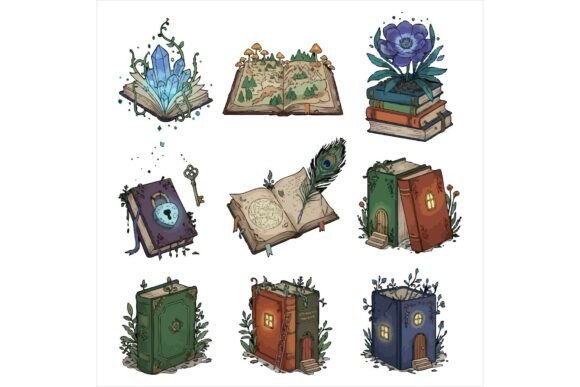
As a seasoned digital product creator who regularly evaluates new design assets, I recently came across Whimsical Book Illustrations with Magic. This graphic design asset caught my attention immediately—not just because of its visual charm, but also for how it could potentially elevate an online shop’s offerings. Let me walk you through my hands-on review and share whether this illustrations pack is worth incorporating into your next product launch.
First Impressions: A Magical Visual Vibe
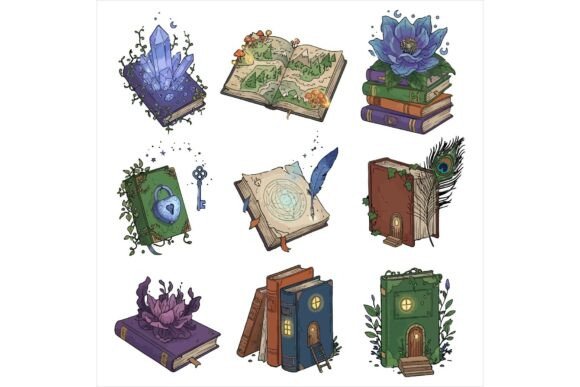
The first thing that stands out about Whimsical Book Illustrations with Magic is the mood they convey. These illustrations feel like stepping into a storybook filled with enchantment—think floating books, mystical creatures, and glowing runes. The style is delicate yet bold in its storytelling, blending fantasy elements with soft pastel tones and intricate line work. It leans toward a playful and feminine aesthetic, which makes them ideal for niche markets like fantasy-themed planners, children's products, or cozy home décor.
If you're running a manual or handmade business, or even a print-on-demand venture targeting the whimsical or literary crowd, these illustrations have strong visual personality. They’re not minimal, but they do avoid being overly busy, making them versatile enough to adapt to different use cases without losing their charm.
Who Might Be Drawn to This?
- Etsy sellers specializing in stationery, wall art, or themed collections.
- Print-on-demand creators looking for unique t-shirt graphics or mug designs.
- Cricut users designing planner stickers, scrapbooking kits, or card embellishments.
- Canva template sellers wanting to add magical flair to social media posts or blog headers.
- Content creators building cohesive brand identities around creativity, reading, or fantasy themes.
Testing the Design in Real Product Scenarios
I tested Whimsical Book Illustrations with Magic on several potential products before finalizing any decisions. Here’s what worked well and where I had to be cautious:
SVG Products & Cricut Projects
The SVG files are clean and layered well, which is essential for die-cutting projects. When using them in a Cricut project, I found that the details held up nicely on cardstock and vinyl. However, some smaller magical elements required careful placement to ensure they wouldn’t get lost during cutting. Always inspect the SVG cut quality and test on real materials before publishing a listing.
PNG Designs & Clipart Bundles
The PNGs offer good transparency and are ready for drop-in use in most digital products. I paired them with both solid-colored and gradient backgrounds to see how they’d perform. On lighter hues, the magic really shone; on darker ones, some details were harder to spot. If you plan to include them in a clipart bundle, consider including mockups showing both light and dark applications so buyers can envision usage better.
Sublimation & Merchandise Graphics
For sublimation-based items like mugs or tumblers, the color vibrancy is impressive. The pastel palette doesn’t bleed or fade when printed properly, and the illustrations retain clarity even at smaller sizes. That said, if your target audience prefers high-contrast, bold merchandise, you may need to tweak the colors slightly or pair them with simpler shapes.
Printable Wall Art & Nursery Prints
These illustrations are perfect for large-format prints. Their intricate lines and dreamy atmosphere translate beautifully into printable wall art. I used one as a nursery print mockup and it instantly gave the room a whimsical, storybook feel. Just make sure the file resolution is high enough (300 dpi minimum) for sharp printing.
Planner Stickers & Greeting Cards
In a planner sticker layout, the illustrations stood out while still feeling harmonious with other decorative elements. For greeting cards, especially those with a literary theme, they added a sense of wonder and warmth. But here’s a note: don’t overload a single page with too many of them. Balance is key to maintain readability and visual appeal.
Product Presentation Tips for Online Shops
When selling digital products or templates, presentation matters. Whimsical Book Illustrations with Magic can enhance your listings in multiple ways:
- Mockup previews—Use them in lifestyle-style mockups to show how they look on actual products like journals or mugs.
- Thumbnail appeal—One illustration paired with a serif font title made for a compelling Etsy thumbnail that drew more clicks than standard text-only options.
- Listing images—They helped create a consistent theme across a collection of digital downloads, making the shop feel curated and professional.
- Product bundles—Including a few in a “Fantasy Stationery Pack” boosted perceived value and customer interest.
Seasonal Collections and Brand Consistency
I tried incorporating these illustrations into a seasonal bundle for fall and winter. Their ethereal style blended well with autumn leaves and holiday stars, adding a touch of elegance without clashing. They also supported a stronger brand identity by reinforcing a cohesive visual language across all product types.
Where This Asset Shines
Whimsical Book Illustrations with Magic truly excel in specific contexts:
- Large product previews: Their detailed nature looks best when given space.
- Themed bundles: Especially those targeting fantasy, literature, or fairytale niches.
- Decorative layouts: Whether for Canva templates or printable paper packs.
- Merchandise graphics: Particularly on white or pastel-colored apparel and accessories.
- Social media promos: When paired with a script or handwritten font, they help build a magical brand narrative.
- Design assets for marketplaces: They bring character to listings that might otherwise feel generic.
Where to Use Them Carefully
While the illustrations are beautiful, there are scenarios where they might not perform as expected:
- Tiny sticker details: Some elements are too small for practical use in everyday stickers.
- Overly complex layouts: Using too many illustrations can overwhelm the eye, especially in print-on-demand designs.
- Low-resolution print products: Always confirm file resolution before offering physical prints.
- Crowded thumbnails: One strong illustration per preview image is better than multiple overlapping ones.
- Dark backgrounds: Some layers lose contrast and become less legible.
- Text-heavy templates: They can distract from important information unless carefully placed.
- Clean cutting lines: While the SVGs are mostly fine, some intricate parts may require simplification for certain Cricut or Silhouette projects.
Practical Seller Notes
Before using Whimsical Book Illustrations with Magic in your commercial design workflow, keep these tips in mind:
- Test the design on real mockups: See how it looks on a variety of surfaces and scales.
- Preview as a marketplace thumbnail: Ensure visibility and clarity at small sizes.
- Check how it looks on white and dark backgrounds: Helps determine flexibility for different uses.
- Test print colors: Especially if you’re planning to sell physical products.
- Verify PNG transparency: Important for overlaying on textured or patterned designs.
- Inspect SVG cut quality: Look for clean lines and no unnecessary nodes.
- Confirm file resolution: Aim for at least 300 dpi for printable items.
- Organize files clearly for customers: Group by theme, size, or format to improve user experience.
- Pair with appropriate fonts: Serif fonts for a classic feel, sans serif for modernity, script or handwritten for personalization, and display fonts for headlines.
- Confirm commercial licensing: Always check the license agreement before selling finished products based on these illustrations.
Final Thoughts for Creative Entrepreneurs
Whimsical Book Illustrations with Magic is a valuable addition to any graphic design asset library, especially for those creating digital downloads, themed bundles, or fantasy-inspired products. They offer a rich visual texture that can set your shop apart in competitive creative marketplaces like Etsy or Creative Fabrica.
However, success with this illustrations pack depends on thoughtful application. Don’t force it into every product—it needs the right context to shine. By testing it across various formats and understanding its strengths and limitations, you can maximize its impact and create a more polished, trustworthy product collection for your customers.