Cute Animals Reading Books Together: A Versatile Illustration for Content Creators
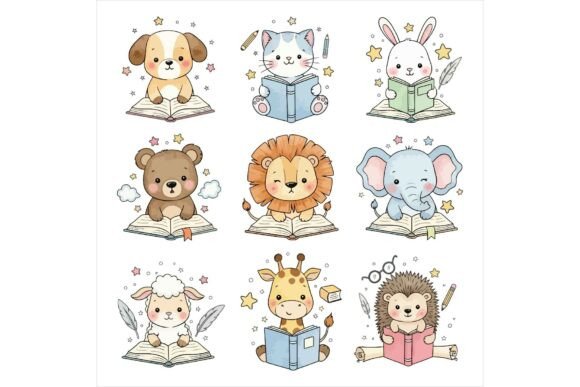
As a seasoned blog designer and digital publisher, I often find myself sifting through graphic design assets in search of visuals that elevate content without overwhelming it. When I first came across Cute Animals Reading Books Together, I was immediately drawn to its soft, whimsical charm and the warmth it radiated. This illustration doesn’t just look good—it tells a story. Its editorial quality is evident from the start, making it an excellent candidate for real-world use across websites, newsletters, and social media platforms.
A Playful Mood with Broad Editorial Appeal
The mood created by Cute Animals Reading Books Together is undeniably playful yet surprisingly versatile. It blends lifestyle and educational tones seamlessly, which makes it ideal for niches like parenting blogs, children’s learning resources, or even cozy book review sites. The animals are rendered in a clean, modern style with subtle textures that add depth without clutter. This balance supports both feminine and unisex branding, while still maintaining a level of professionalism that won’t alienate more mature audiences.
What stood out most was how approachable the illustration feels. Unlike many assets that lean too heavily into either cuteness or seriousness, this one walks the line perfectly—making it suitable for a wide range of topics from literacy advocacy to mindfulness in reading. The colors are warm and inviting, but not overly saturated, allowing them to blend well with various background schemes and font pairings.
Real-World Use Cases for Content Publishing
In my workflow, I always ask: where can this asset be used effectively? Cute Animals Reading Books Together has proven itself in several key areas:
- Blog Featured Images: It works beautifully as a visual hook for posts about reading habits, book recommendations, or educational tools.
- Pinterest Graphics: The composition is rich enough to stand alone as a Pinterest pin, especially when paired with a clear headline about books, learning, or family time.
- Newsletter Headers: For email campaigns promoting new blog posts, courses, or downloadable printables, this illustration adds personality and trust.
- Lead Magnets and Digital Guides: As part of a Canva template or printable design, it enhances the perceived value of free content upgrades like reading lists or activity sheets.
- Social Media Previews: On Instagram, Facebook, or Twitter, it helps create shareable content that feels hand-crafted and engaging.
Its gentle aesthetic also complements website headers for online educators, small business branding efforts in creative industries, and even media kits for indie authors or podcasters. Because it’s a standalone illustration, it doesn’t require complex layering or additional design work to integrate into existing templates.
How This Illustration Enhances Content Performance
When evaluating a design asset for performance, I look at how it contributes to the overall user experience. Here’s why Cute Animals Reading Books Together stands out:
- Strong First Impressions: Readers connect with visuals that feel intentional and thoughtful. This illustration creates immediate warmth and curiosity.
- Visual Hierarchy Support: The arrangement of the animals naturally draws the eye inward, making it perfect for placing beside headlines or call-to-action buttons.
- Click-Through Potential: In editorial layouts and social media grids, it increases engagement simply by being visually distinct and relatable.
- Brand Consistency: If your brand voice is friendly and accessible, this illustration reinforces that identity consistently across all touchpoints.
- Reader Trust: The professional finish of the illustration ensures it looks polished and credible, which is essential for affiliate marketing and content marketing materials.
- Category Recognition: Used in category thumbnails or blog sections focused on education or lifestyle, it becomes a recognizable element that builds familiarity over time.
For digital marketers and bloggers who rely on strong visual identity, this illustration offers a way to maintain consistency without sacrificing creativity. Whether you're designing a hero image for a landing page or creating a lead magnet for your next webinar, it brings a cohesive, thematic touch to every project.
Where This Illustration Shines Brightest
Some publishing scenarios are a better fit than others. Based on my testing, here are the top spots where Cute Animals Reading Books Together really excels:
- Hero Images: Its size and detail make it a great centerpiece for homepage banners or article headers.
- Article Thumbnails: The cute factor is high, which means it performs well in thumbnail form, especially on platforms like Medium or WordPress archives.
- Editorial Accents: Placed in sidebars, between paragraphs, or as floating elements, it adds a soft visual break that keeps readers engaged.
- Content Upgrades: Pair it with a download button or eBook cover to instantly boost the appeal of your digital product offerings.
- Canva Templates: As part of a pre-built layout, it streamlines the design process while ensuring a finished look that aligns with modern design trends.
I’ve also found it effective in newsletter headers and social media previews. Its emotional tone helps reduce friction for readers scanning through content, encouraging them to pause and engage further.
Use with Caution in These Scenarios
While Cute Animals Reading Books Together is incredibly adaptable, there are situations where it might not be the best choice:
- Small Mobile Thumbnails: The details may get lost when scaled down, reducing impact.
- Text-Heavy Blog Images: If your featured image includes a lot of text, this illustration could compete for attention instead of complementing it.
- Low-Contrast Backgrounds: The pastel tones might fade if placed on similarly muted backgrounds.
- BUSY Layouts: In grid-heavy or information-dense designs, it can become visually overwhelmed or distracting.
- Corporate or Minimalist Niches: While it's modern in style, the playful nature might clash with brands that prioritize a sleek or formal aesthetic.
If your site leans toward serious professional niches—like finance, law, or medical content—you may want to avoid using this illustration unless it fits a specific storytelling context (e.g., explaining concepts to younger audiences or using it in a metaphor).
Publisher Notes and Best Practices
To ensure optimal results when using Cute Animals Reading Books Together, here are some practical steps I recommend:
- Test on Desktop and Mobile Screens: Confirm that the illustration maintains clarity and visual appeal across different devices.
- Check Thumbnail Quality: Crop it to see how it looks as a Pinterest pin or social media preview.
- Preview in Real Blog Layouts: See how it interacts with surrounding elements like navigation bars, ads, or other illustrations.
- Pair with Headline Text: Overlay short, bold headlines to test legibility and contrast against the image.
- Review Contrast and Readability: Especially important for accessibility—ensure text placed over the illustration remains easy to read.
- Try in Black and White: Assess whether it retains its visual impact when printed or viewed in grayscale.
- Font Compatibility Test: Place it beside serif, sans serif, script, handwritten, and display fonts to see what harmonizes best.
- Optimize File Size: Compress images properly to maintain fast web performance without sacrificing quality.
- Confirm Commercial Licensing: Before using it on monetized websites, affiliate pages, or paid digital downloads, verify that the commercial license covers those uses.
These steps help ensure that the illustration not only looks great but functions well within the broader context of your digital presence. After all, the best design assets don’t just stand out—they support your message and enhance your brand identity across platforms.
Final Thoughts on Cute Animals Reading Books Together
After integrating Cute Animals Reading Books Together into multiple content projects, I can confidently say it’s a valuable addition to any creative entrepreneur’s toolkit. From blog graphics to downloadable resources, it brings a sense of joy and intentionality to each piece it touches. It’s not just an illustration; it’s a strategic visual element that can strengthen your brand, improve reader engagement, and support your editorial goals.
Whether you’re building a content marketing funnel, launching a new course, or redesigning your website header, this illustration has the potential to make your content more inviting and memorable. Just remember to use it thoughtfully and always keep the needs of your audience—and your design system—in mind.