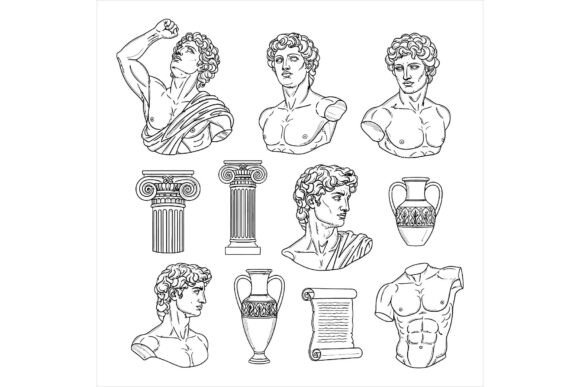
Ancient Greek Roman Statue Heads: A Timeless Graphic Design Asset for Polished Content
As a seasoned blog designer and digital publisher, I’m always on the lookout for design assets that elevate content while maintaining clarity and relevance. When I first came across Ancient Greek Roman Statue Heads, I was struck by their unique visual presence—classic yet adaptable, bold but not overwhelming. These illustrations offer a rare blend of historical charm and modern versatility, making them an intriguing option for editorial and web publishing use.
Setting the Editorial Tone with Visual Depth
The mood created by Ancient Greek Roman Statue Heads is undeniably artistic and educational. They evoke a sense of timelessness, sophistication, and intellectual curiosity, which aligns well with niches such as history, culture, philosophy, art, and even fitness or wellness (think ancient athleticism). The style is neither too playful nor overly serious, striking a balance that supports both academic and lifestyle-focused content.
These illustrations are ideal for content creators aiming to infuse a touch of elegance into their visuals. Their intricate detailing suggests quality, while the recognizable motifs of classical antiquity add instant cultural resonance. Whether you're building a blog about ancient civilizations or designing a lead magnet for a personal development course inspired by Stoic philosophy, this asset can anchor your message in a visually compelling way.
Content Niche Compatibility
- History & Culture Blogs: Perfect for featured images or article headers discussing myths, gods, or archaeological finds.
- Art & Design Resources: Great for illustrating posts about classical art styles, sculpture techniques, or design inspiration.
- Educational Platforms: Adds gravitas to online courses, digital guides, or worksheets covering ancient world studies.
- Wellness & Philosophy: Works beautifully when paired with content on mindfulness, stoicism, or holistic living.
Real-World Publishing Applications
One of the strengths of Ancient Greek Roman Statue Heads is their adaptability across various publishing formats. Here’s how they can be effectively used in real content workflows:
- Blog Featured Images: Use these illustrations to introduce articles with a strong visual hook. They help create a memorable first impression and support visual hierarchy when placed beside headlines.
- Pinterest Graphics: With high-quality details and a timeless appeal, these illustrations perform exceptionally well as Pinterest pin overlays or background accents, especially for boards focused on art, education, or lifestyle content.
- Newsletter Headers: Incorporate them into newsletter banners or email headers to add a decorative element that still feels professional and trustworthy.
- Digital Guides & Lead Magnets: Ideal for downloadable resources like printable timelines, historical summaries, or themed planners. Their classic look reinforces the value and credibility of your content.
- eBook Covers: If you're creating a digital download related to mythology, ancient history, or philosophical teachings, these heads can serve as a central graphic to enhance brand identity and visual storytelling.
- Social Media Previews: Use them in Instagram carousels, Facebook posts, or Twitter threads to draw attention and signal content depth.
- Category Thumbnails: For website sections dedicated to ancient topics, these illustrations can help with better category recognition and visual consistency.
Designing for Clickability and Clarity
In the realm of content marketing, the first impression is everything. Ancient Greek Roman Statue Heads contribute significantly to stronger first impressions due to their iconic imagery. Readers immediately recognize the subject matter, which helps establish trust and interest before they even read the headline.
When layered or framed correctly, these illustrations can improve click-through potential by serving as a focal point in your visual layout. Their bold features work particularly well in hero images or above-the-fold areas where they can guide the reader’s eye toward key messages or calls to action.
Optimizing Brand Identity and Visual Consistency
Consistent branding is essential for any digital marketer or small business owner looking to build a cohesive visual identity. Ancient Greek Roman Statue Heads provide a unique yet repeatable motif that can be used across multiple platforms to reinforce your brand's aesthetic. Whether it’s part of a media kit or embedded within Canva templates, these illustrations bring a level of professionalism that aligns with educational or premium content offerings.
For affiliate marketers promoting books, documentaries, or museum memberships related to ancient history, these graphics can make promotional materials stand out. Pair them with clean typography and minimalist layouts to avoid clutter and maintain readability.
Where This Asset Shines Brightest
- Hero Images: Large-scale visuals on landing pages or blog homepages benefit from the dramatic effect of these statue heads.
- Article Thumbnails: Especially effective when displayed in grid views or archive sections, helping users quickly identify content themes.
- Editorial Accents: Used sparingly in sidebars, pull quotes, or section dividers to add subtle visual interest without overpowering the text.
- Printable Designs: When included in digital downloads, they lend a sense of authenticity and thoughtfulness, enhancing perceived value.
- Lead Magnets: As part of a content upgrade, these illustrations can be used in PDFs, worksheets, or infographics to create a more polished and engaging experience.
Use with Caution in Certain Contexts
While these illustrations are powerful, they’re not universally suitable. In particular, they may clash in the following scenarios:
- Small Mobile Thumbnails: The intricate details may become lost at smaller sizes, reducing effectiveness.
- Text-Heavy Blog Images: Overusing the asset in image-heavy text blocks can distract from readability and comprehension.
- Low-Contrast Backgrounds: Ensure proper contrast between the illustration and background to keep the focus on the content.
- Busy Layouts: Avoid using these in complex designs with too many elements competing for attention; let them breathe.
- Corporate or Minimalist Websites: While versatile, they may not fit neatly into ultra-modern or corporate visual systems unless intentionally styled to match.
Practical Tips for Digital Publishers
To ensure Ancient Greek Roman Statue Heads integrate seamlessly into your publishing workflow, consider the following best practices:
- Test Across Devices: Preview how the illustrations look on desktop and mobile screens to confirm usability and aesthetics.
- Thumbnail Preview Check: Always test the asset as a thumbnail to see if it maintains its impact and clarity at reduced size.
- Layout Integration: Place them in your actual blog layout to assess how they interact with fonts, colors, and spacing.
- Headline Pairing: Try overlaying different headline styles—serif, sans serif, script, handwritten, or display fonts—to find the most harmonious combination.
- Contrast and Readability: Make sure there's enough contrast between the illustration and any overlaid text or background.
- Black and White Testing: Evaluate the design in grayscale to ensure it remains impactful without color.
- Web Performance Optimization: Review file size and compress images properly to maintain fast loading times for websites and social media.
- Commercial Licensing: Confirm that the illustrations come with a commercial license, especially if you plan to use them in monetized contexts like affiliate pages or paid digital products.
Final Thoughts for Creative Entrepreneurs
Ancient Greek Roman Statue Heads are more than just a graphic design asset—they’re a bridge between past and present. When used thoughtfully, they can transform your content into something more memorable, authoritative, and aesthetically rich. From blog graphics to editorial layouts, these illustrations offer a timeless appeal that resonates across platforms and audiences.
If you're working in niches that lean into historical, educational, or artistic themes, consider adding this design asset to your toolkit. But remember: like all creative elements, success lies in how well they’re integrated into your overall visual strategy. Test, tweak, and tailor to ensure every use adds value to your brand and bolsters your content marketing efforts.